Nobody takes photos of the boring parts of an installation. That’s exactly where installs go wrong.
Here’s a residential Daikin system going in. The equipment is good equipment — but a good unit installed carelessly will underperform a cheaper unit installed properly, every time.
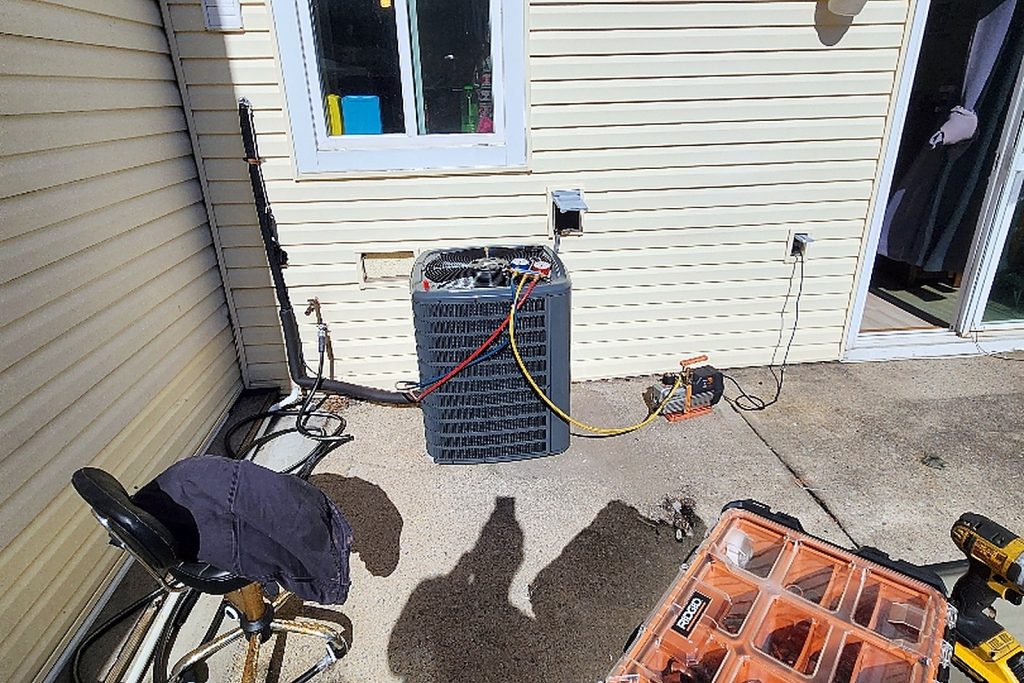
Start with where it sits. The condenser is set level, on pavers, held off the wall with clear space around it. That gap isn’t aesthetic. An air-cooled condenser rejects heat into the air around it, and a unit shoved tight against siding re-breathes its own hot discharge all afternoon. Head pressure climbs, capacity drops, and the compressor works harder for the rest of its life.
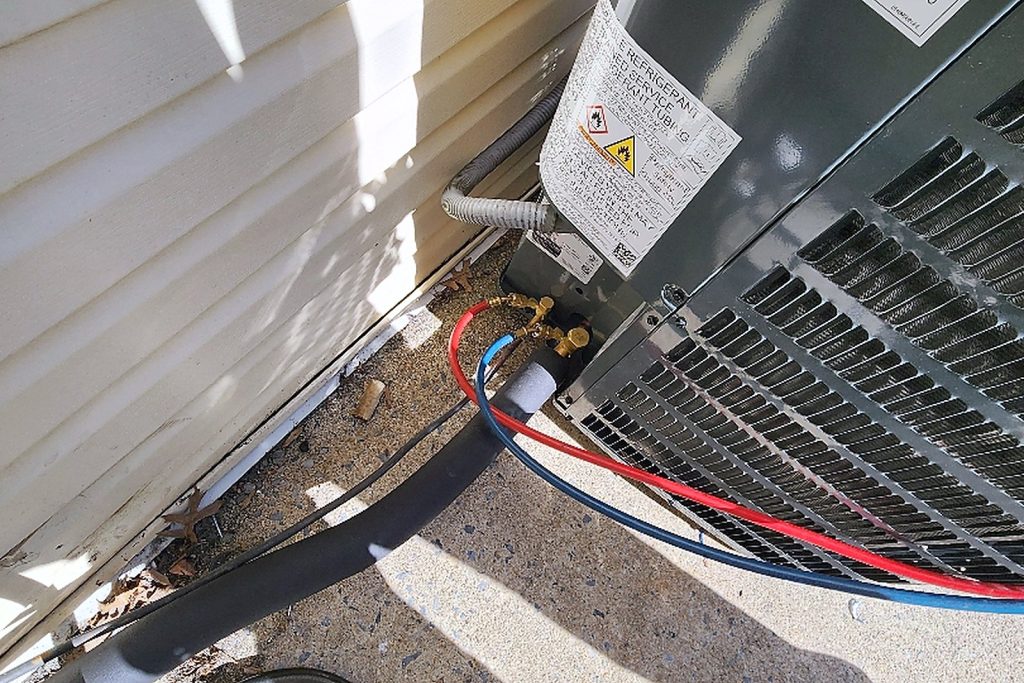
Then the connections. Line set and electrical brought in tidy, supported, and terminated where they should be — not draped, not strained, not left resting on the coil.
The line set is insulated and covered where it runs down the wall. Bare insulation on the outside of a house gets attacked by sun and weather, breaks down, and once the suction line is uninsulated you’re sweating condensation down the wall and losing capacity between the units. The cover is not decoration; it’s what keeps the insulation alive.
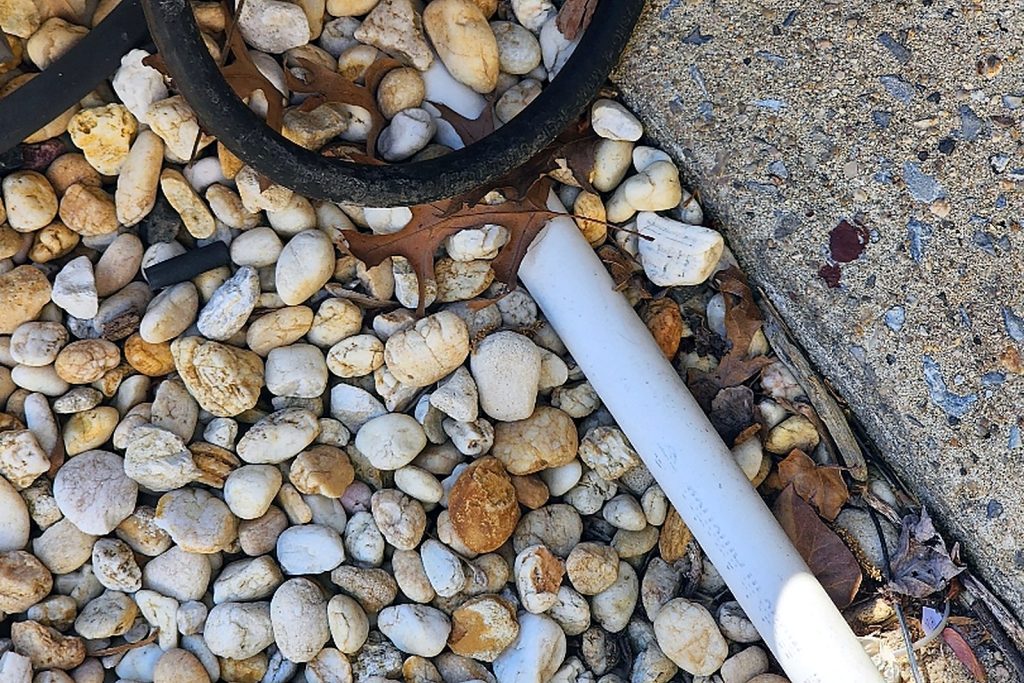
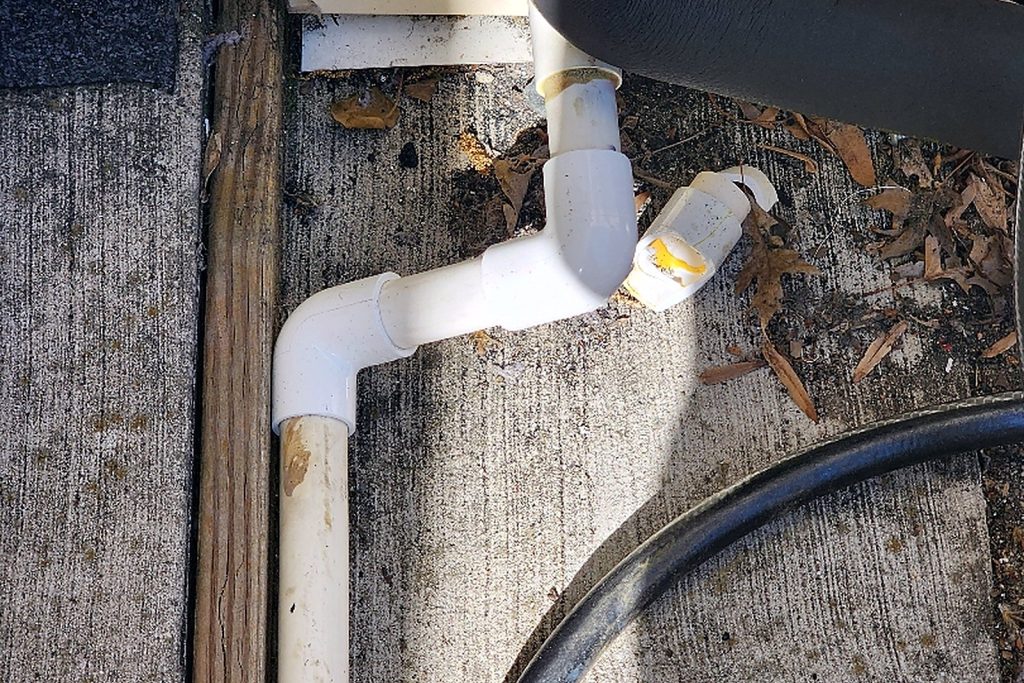
And the condensate goes somewhere deliberate. Piped, pitched, and terminated away from the foundation instead of dripping onto the slab beside the unit — which is how you end up with a permanently wet corner and, eventually, a problem that has nothing to do with HVAC.
None of this is exotic. All of it is the difference between a system that quietly works for fifteen years and one that generates service calls from its first summer.
If it heats or cools, we handle it. 📞 718-802-1700