The call was about taste. Drinks were coming out flat, and the bar staff had started blaming the well.
Then they showed us the ice.
White. Not frosted on the surface — white all the way through, like a bar of soap. Ice that looks like this is carrying everything that was dissolved in the water it was made from.
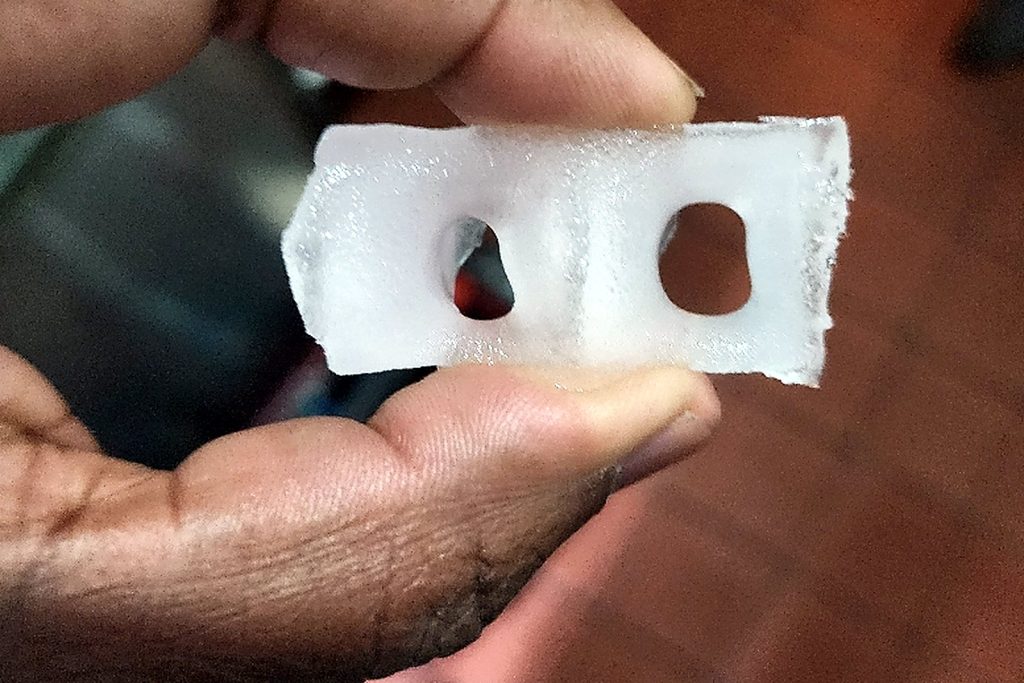
Clear ice is clear because it freezes slowly, layer by layer, and pushes dissolved minerals and air out ahead of the freeze. When the water going in is loaded, there’s nowhere for that material to go. It gets locked into the cube, and the cube turns opaque.
So the ice wasn’t the problem. The ice was the report.
We pulled the water filter. This is what came out of the housing.
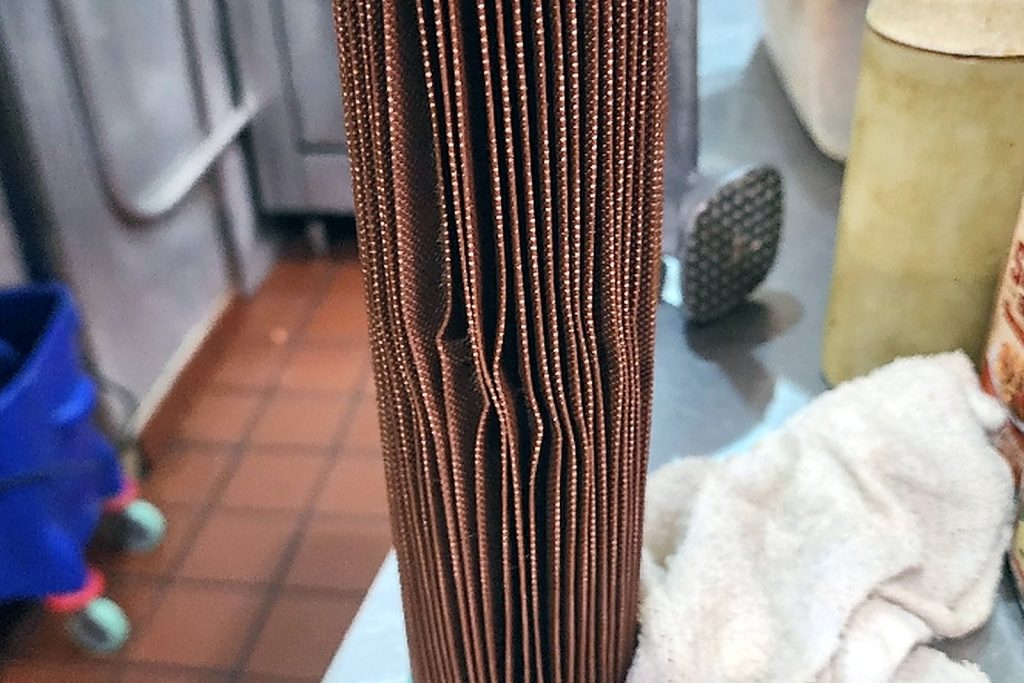
That cartridge is supposed to be a pale cream colour. Every pleat on it was loaded, and once a filter is packed like that it isn’t filtering — water is simply pushing past whatever it can’t hold, straight into the machine.
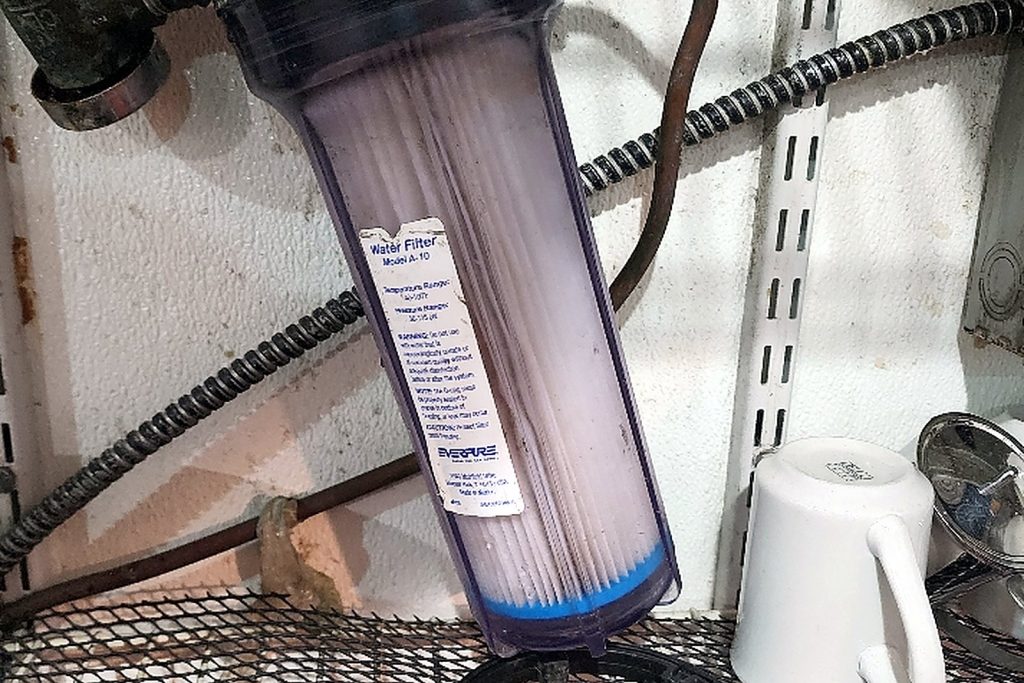
This is the part that catches people out: a water filter is a consumable, not a component. It has a capacity measured in gallons, and when that capacity is used up it stops working whether or not anyone has thought about it. Nothing beeps. No light comes on. It just quietly stops doing its job while the machine keeps running.
On NYC water, in a bar pushing volume through the machine every night, filters load up considerably faster than the interval most operators have in their heads.
Here’s what the same machine produces with clean water going into it. Clear, solid, properly formed cubes.
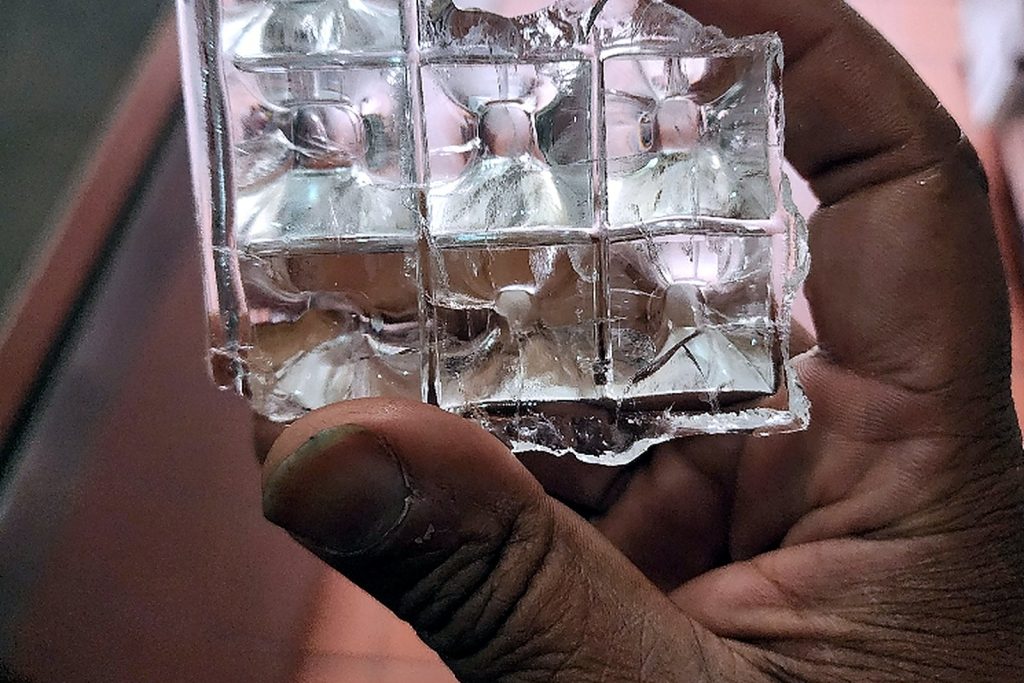
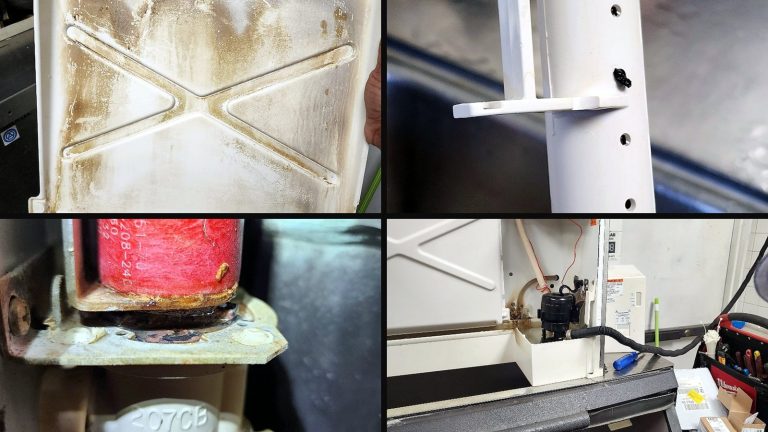
Worth knowing what cloudy ice actually costs you. It melts faster, so drinks dilute quicker and customers taste it. It carries the flavour of whatever is in the water. And the same minerals that turned it white are being deposited on the evaporator plate every cycle, which is a scale problem you will pay a great deal more to fix later.
If your ice has gone cloudy, that’s not cosmetic. That’s your water telling you something before your equipment does.
If it heats or cools, we handle it. 📞 718-802-1700